






Banff Trip
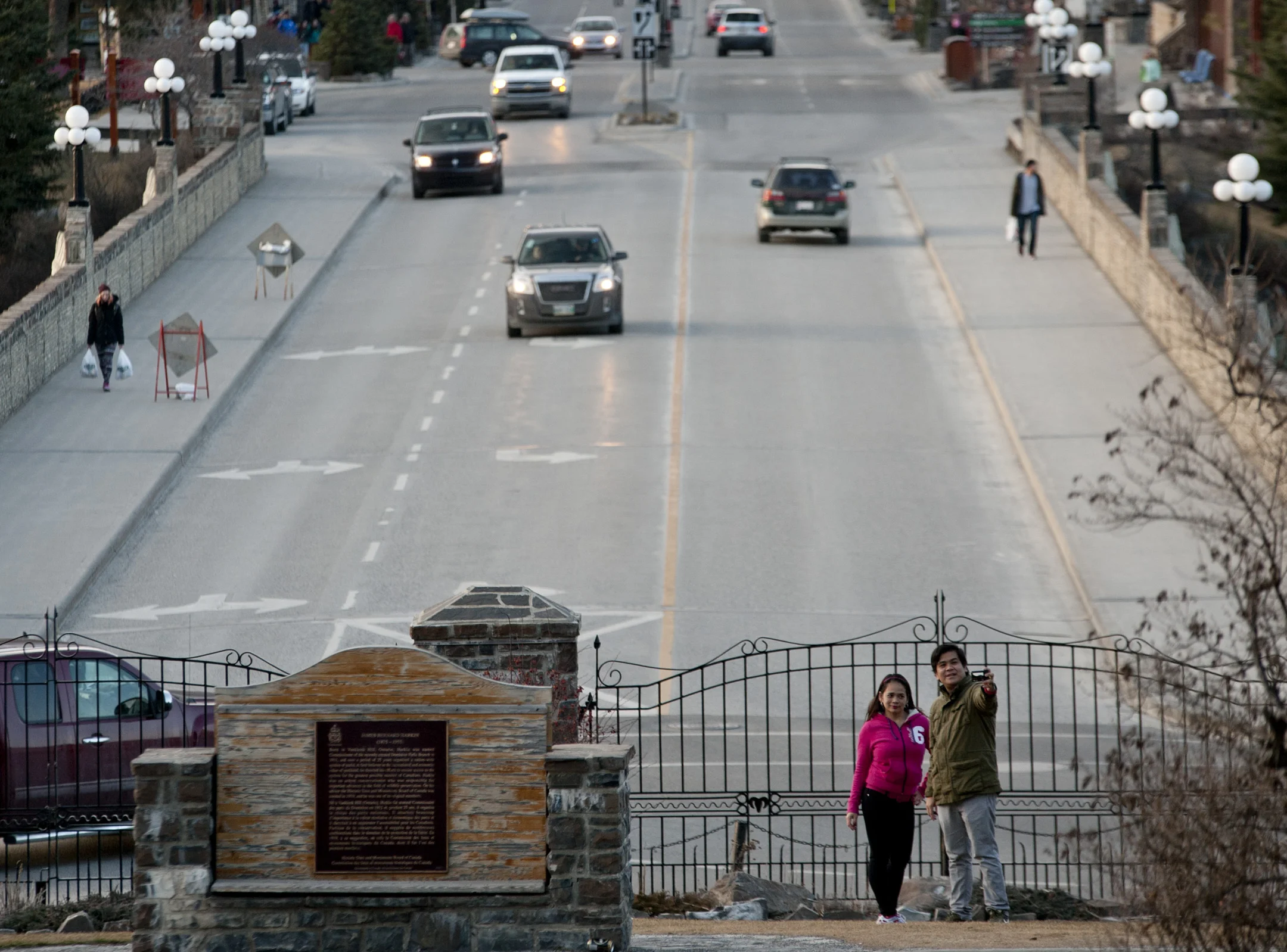
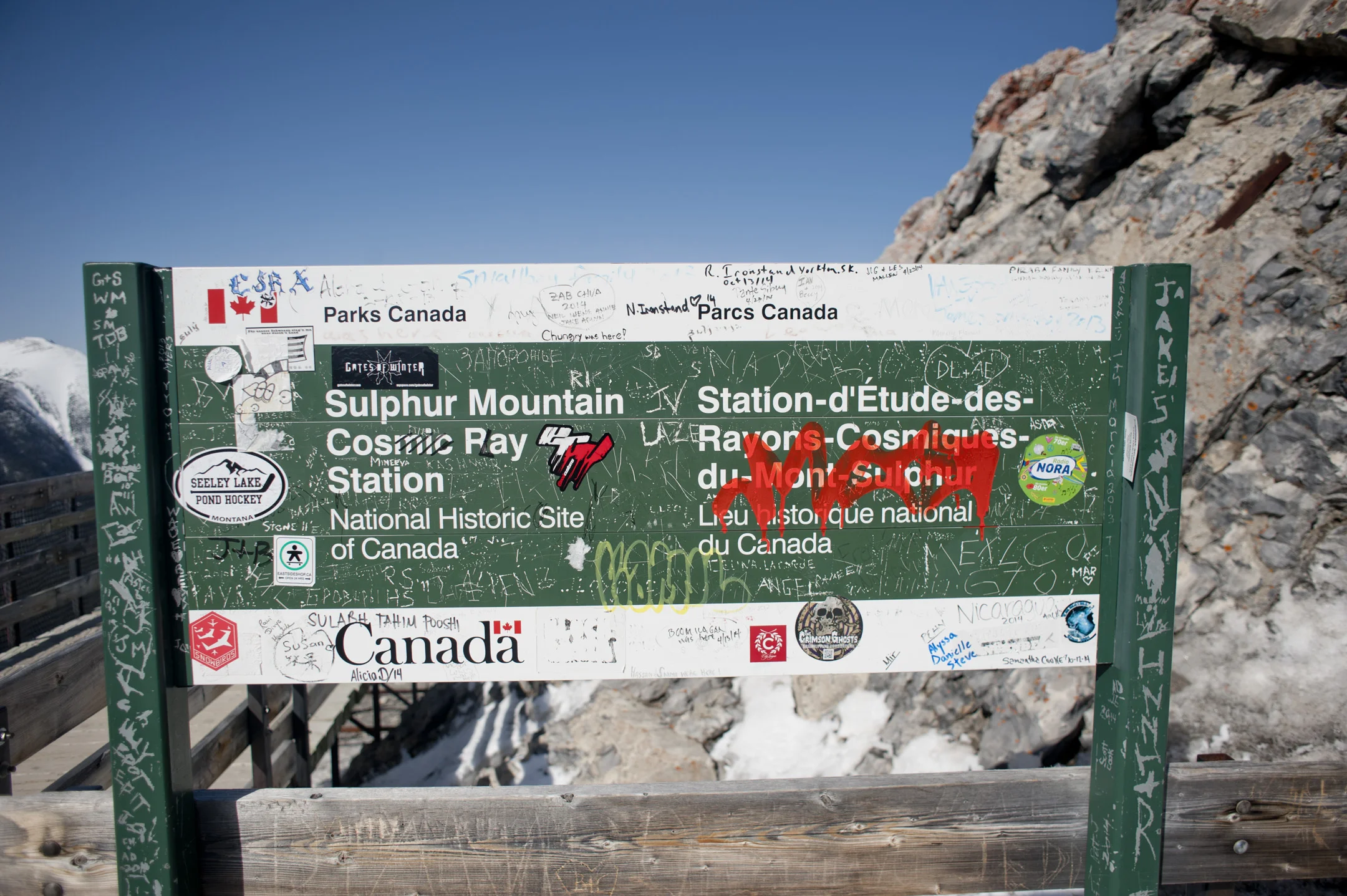
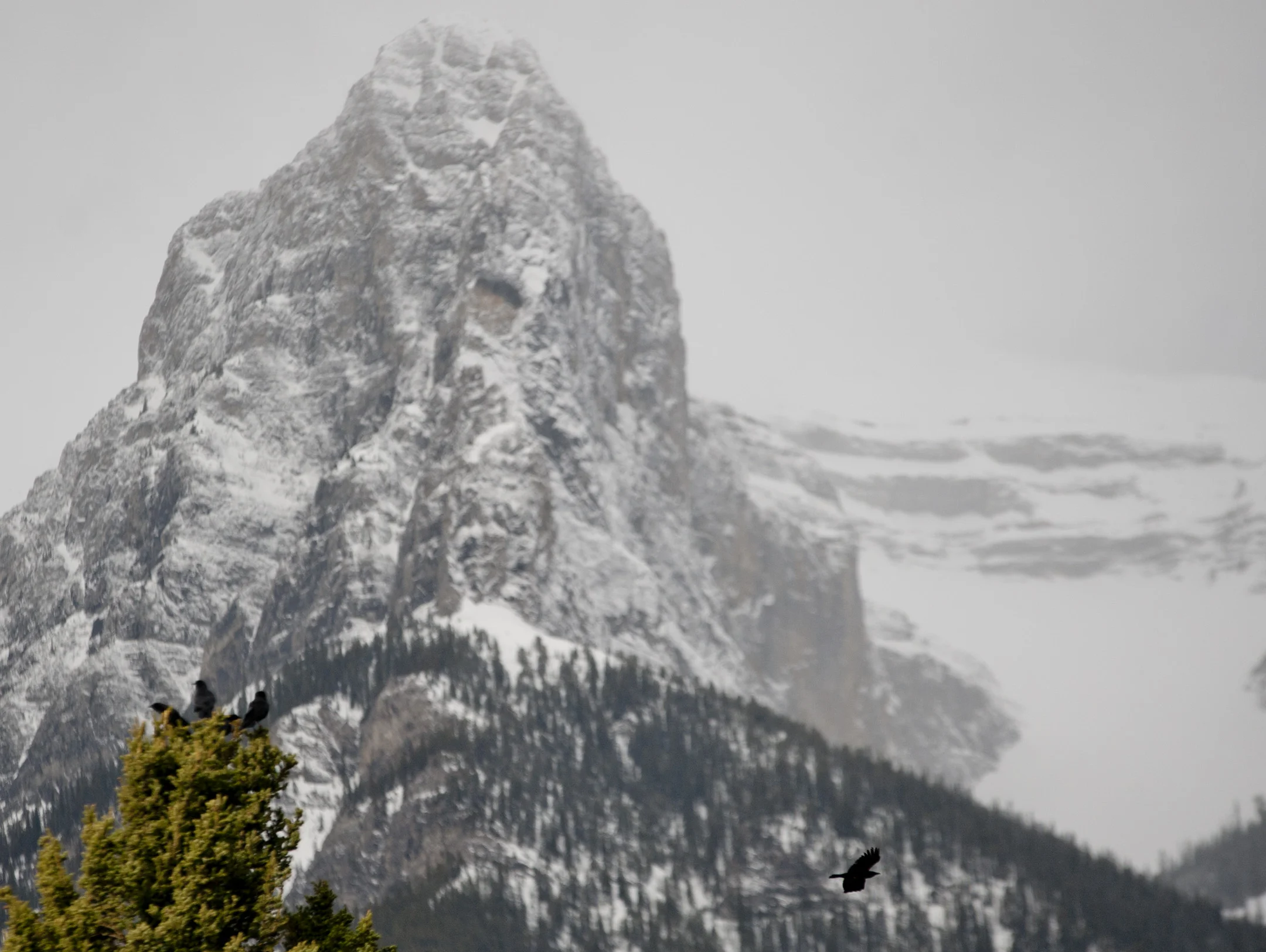
I traveled south to the mountains with my sister and brother-in-law to meet up with my family in Banff. It was my first trip to the mountains, and I hope to make it out there again. I shot a lot of photos, but I made a edit for my family shots and an edit for the landscape shots.
Though I'm sure many of these have been done before, this is how I saw Banff in my time there.










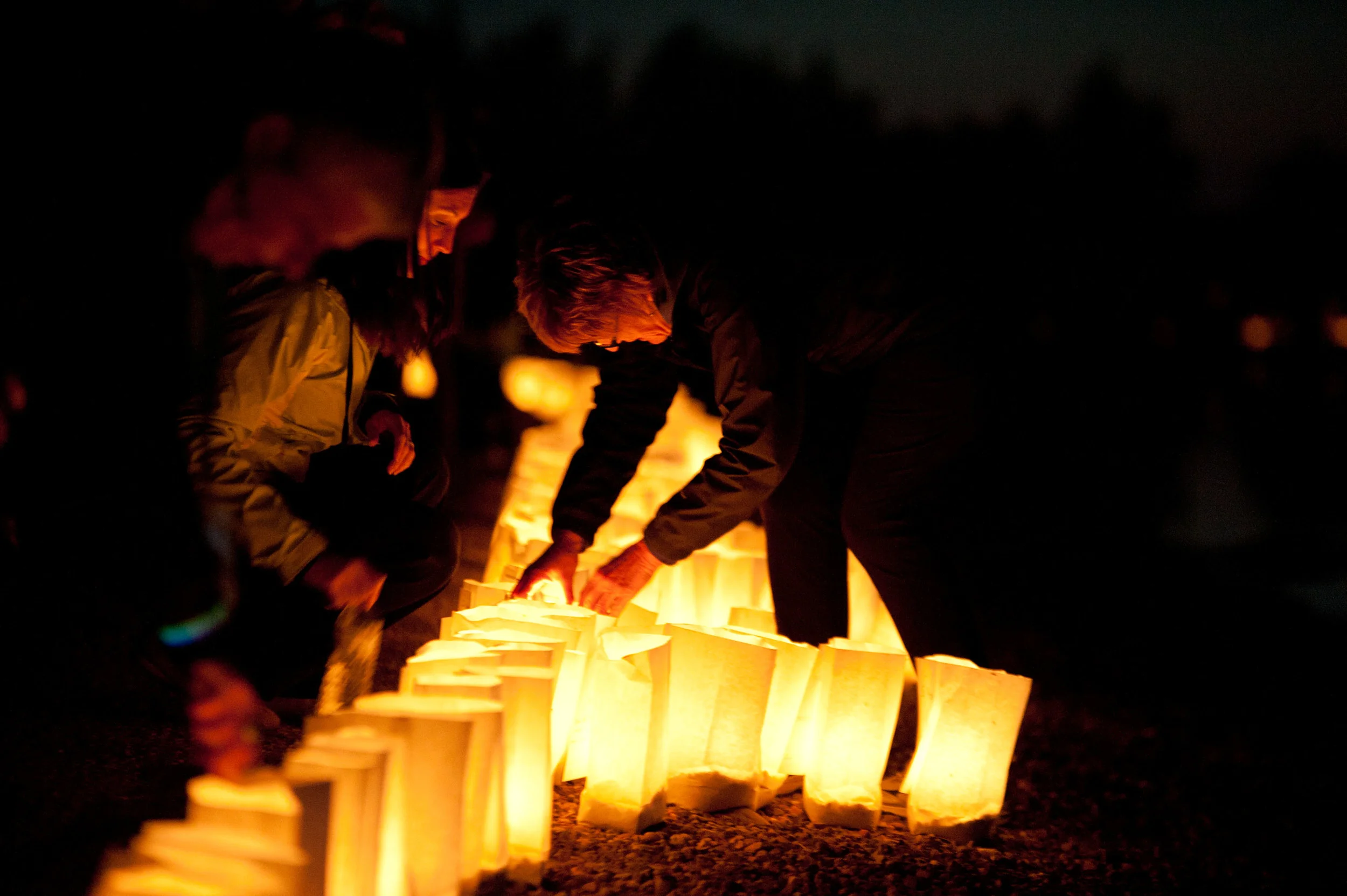
Relay for Life
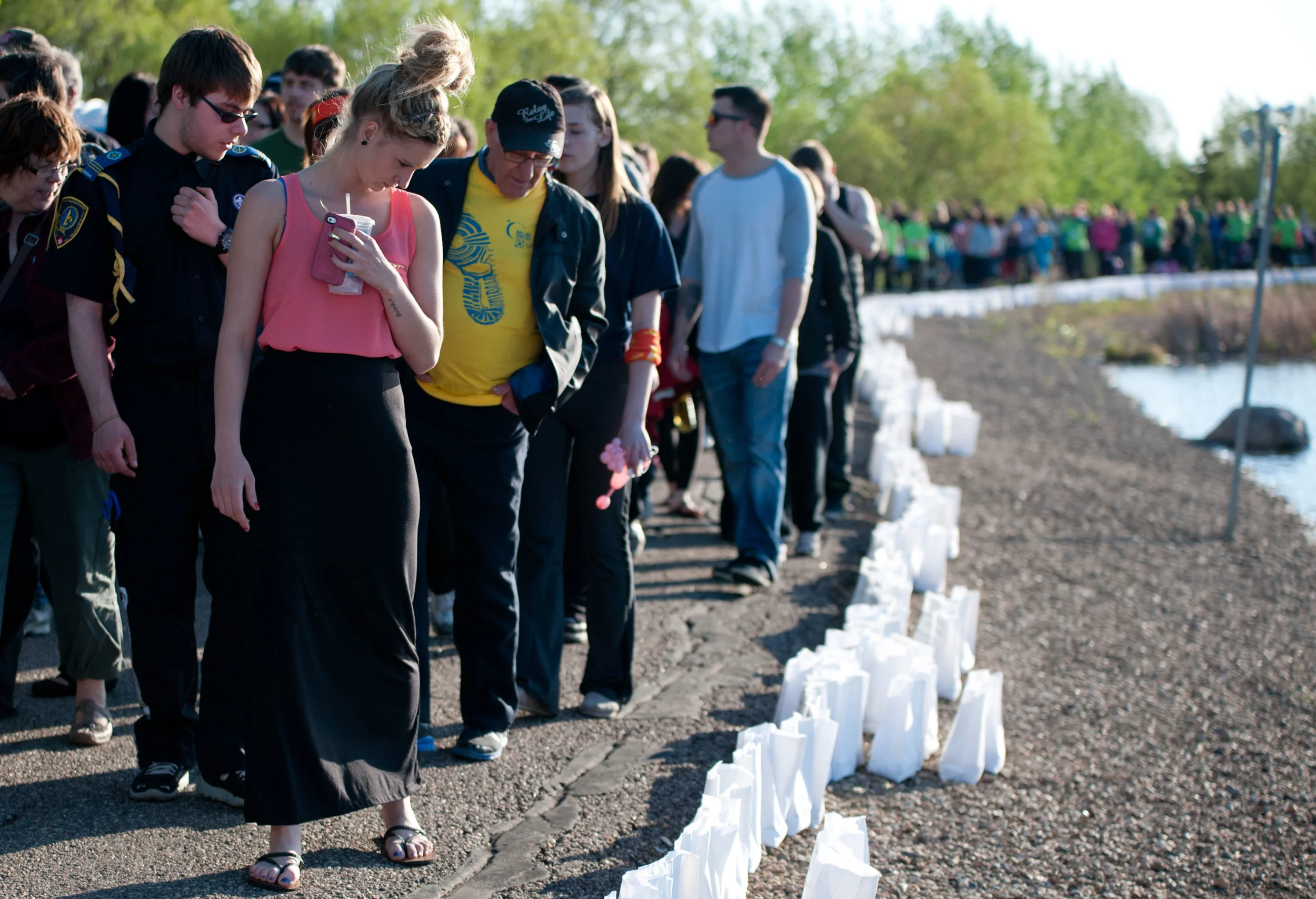
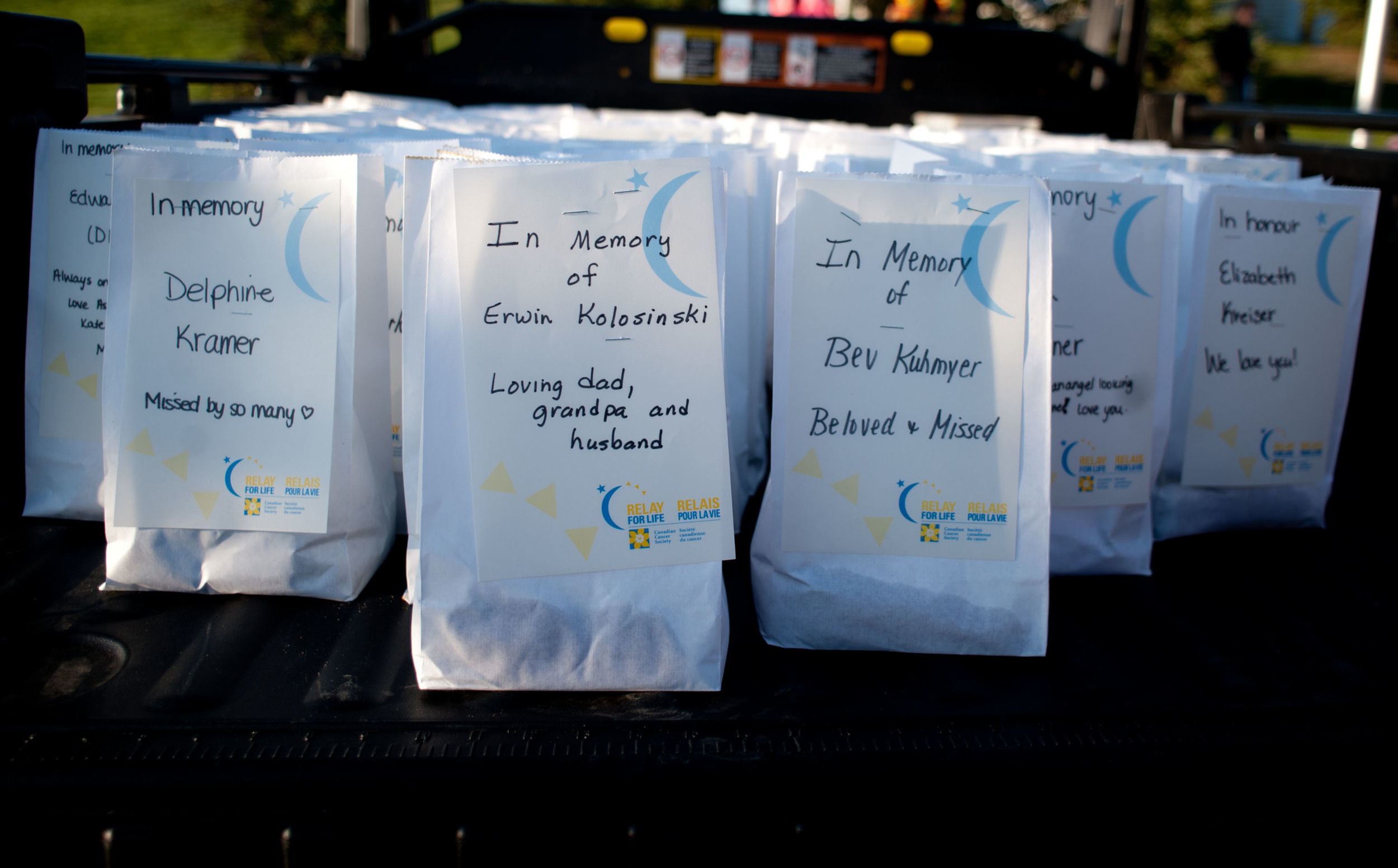
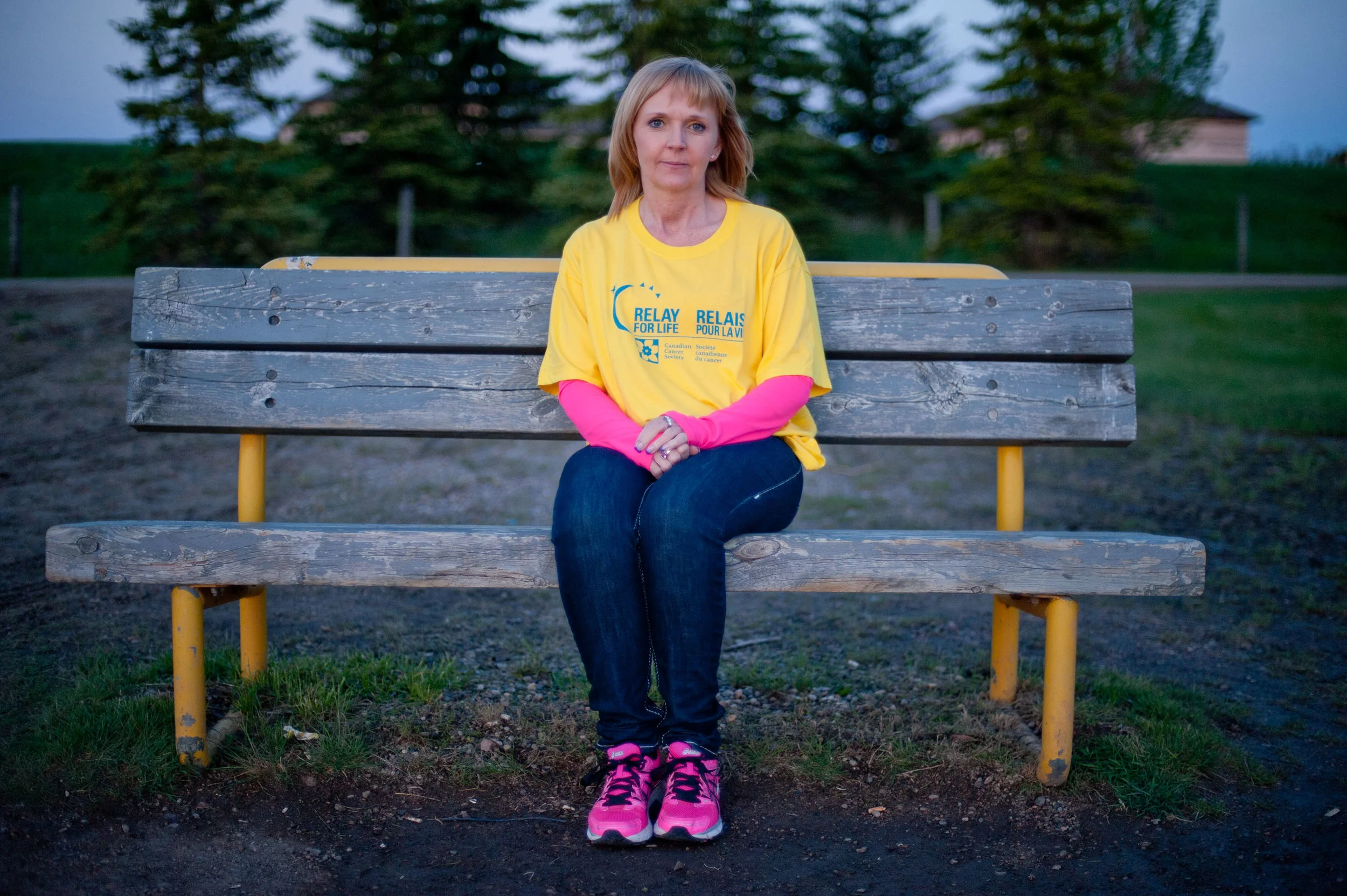
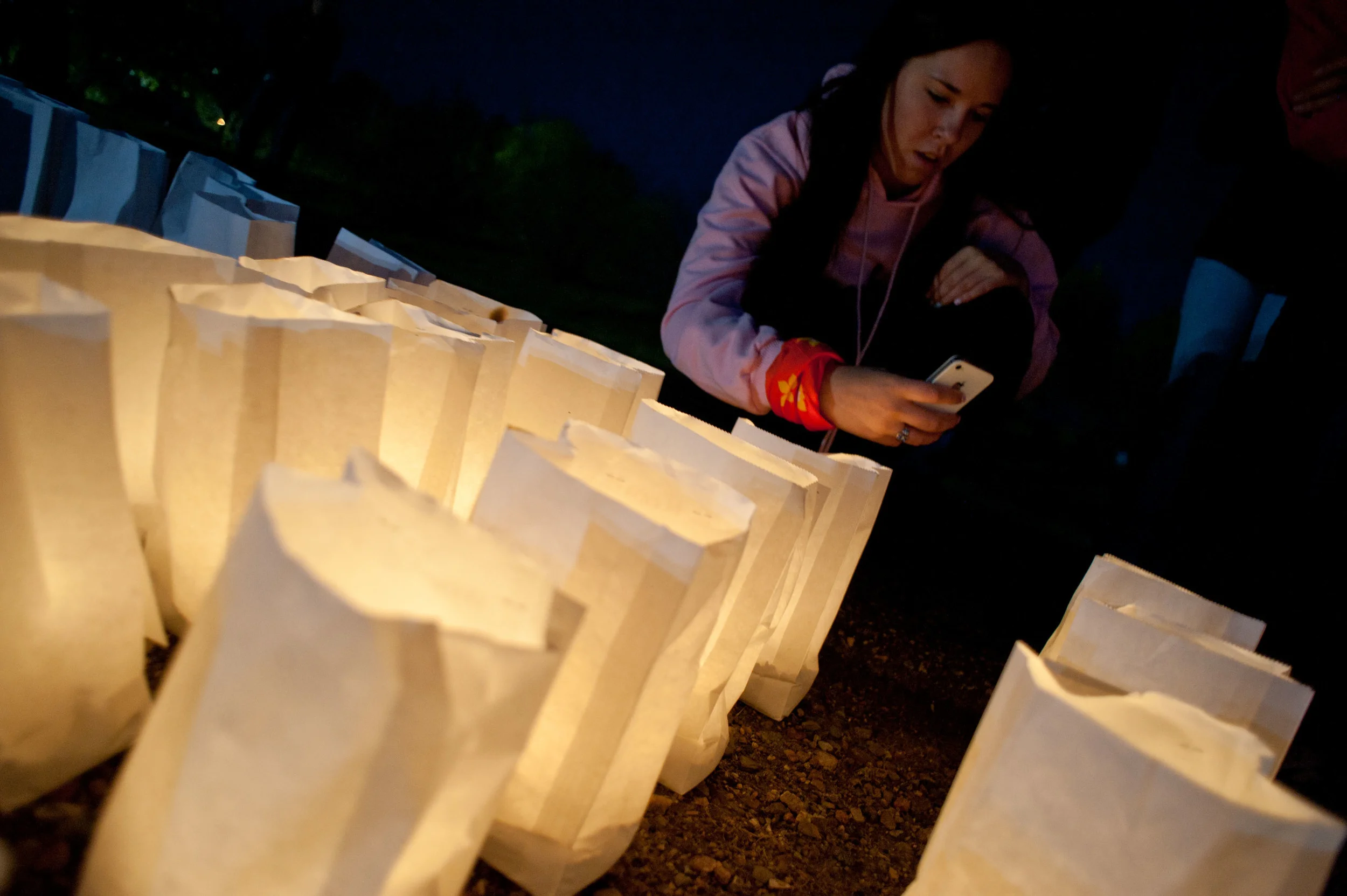
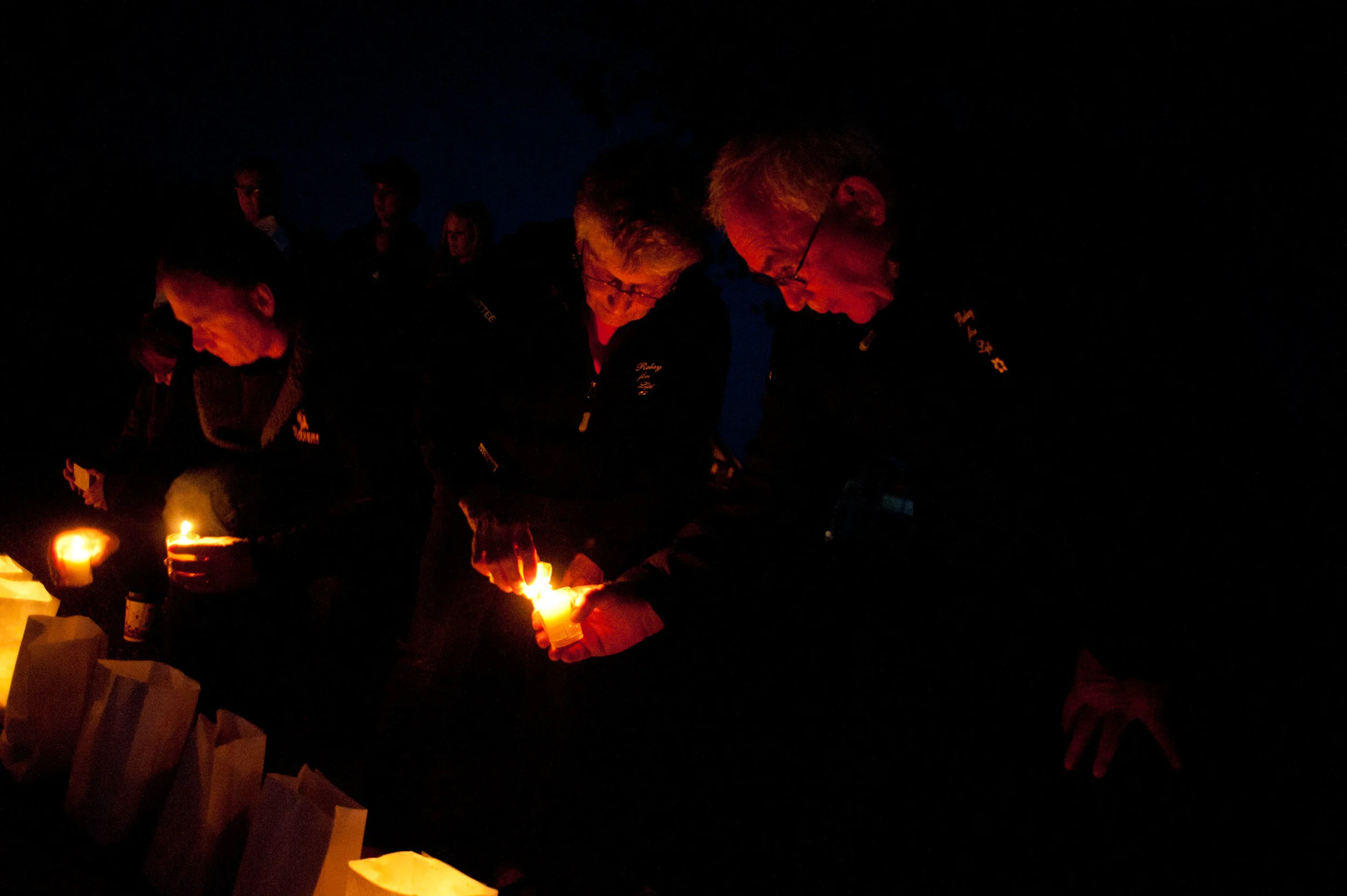
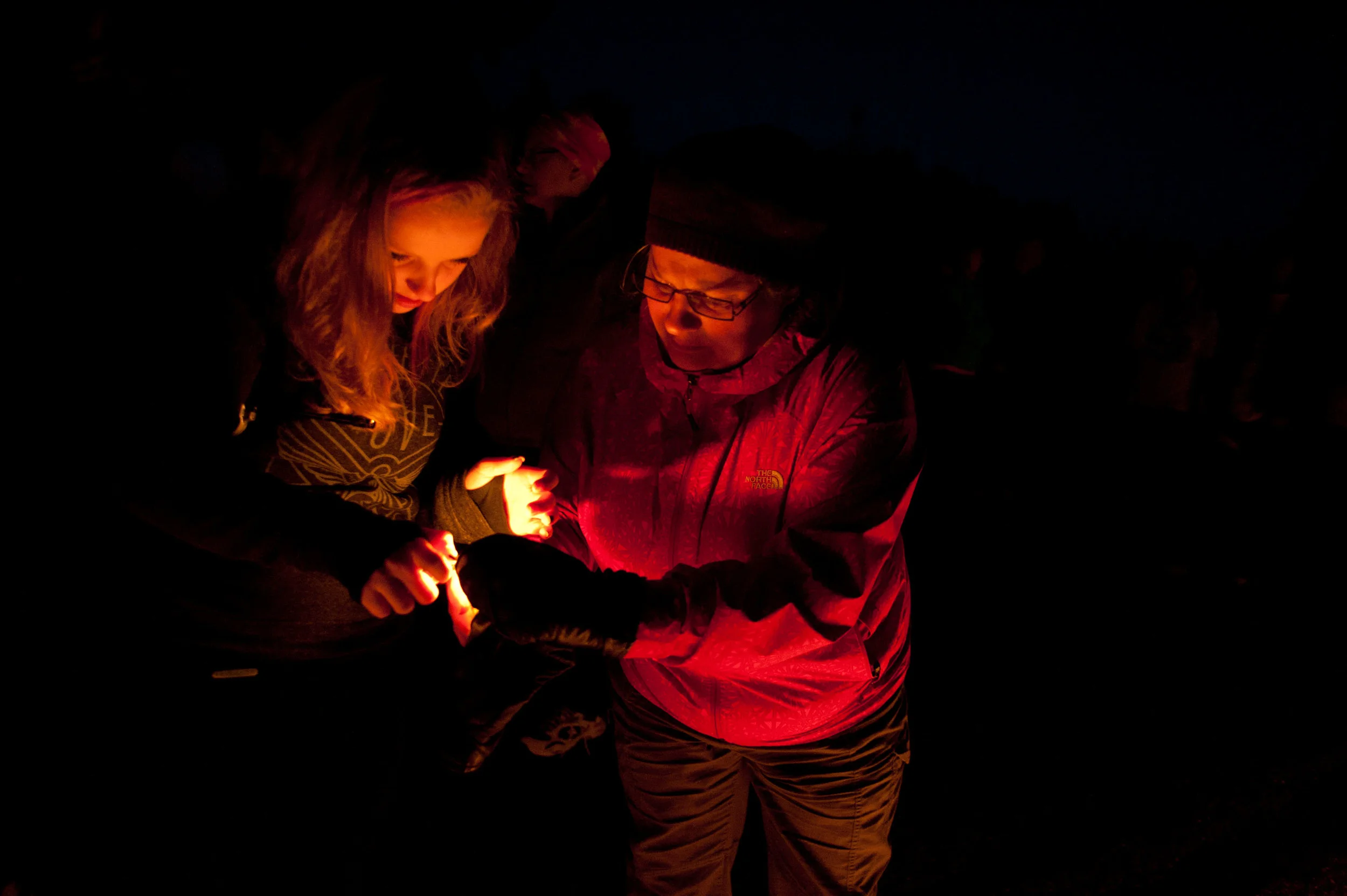
This is a short photo gallery that has been put together with shots from the Relay for Life event that was held this past Friday in Bud Miller Park. It was a great event to cover, and it was truly inspiring to see the support given to all the survivors who came out to participate by the community.
Article Link:http://www.meridianbooster.com/2014/06/01/day-of-healing-at-bud-miller-park
Video Link:https://www.youtube.com/watch?v=eEuo1JtnS_o




Smoke on the Water
Short photo gallery of a fire that burnt out a fair chunk of land along the north shore of the riverbank this past Wednesday evening.
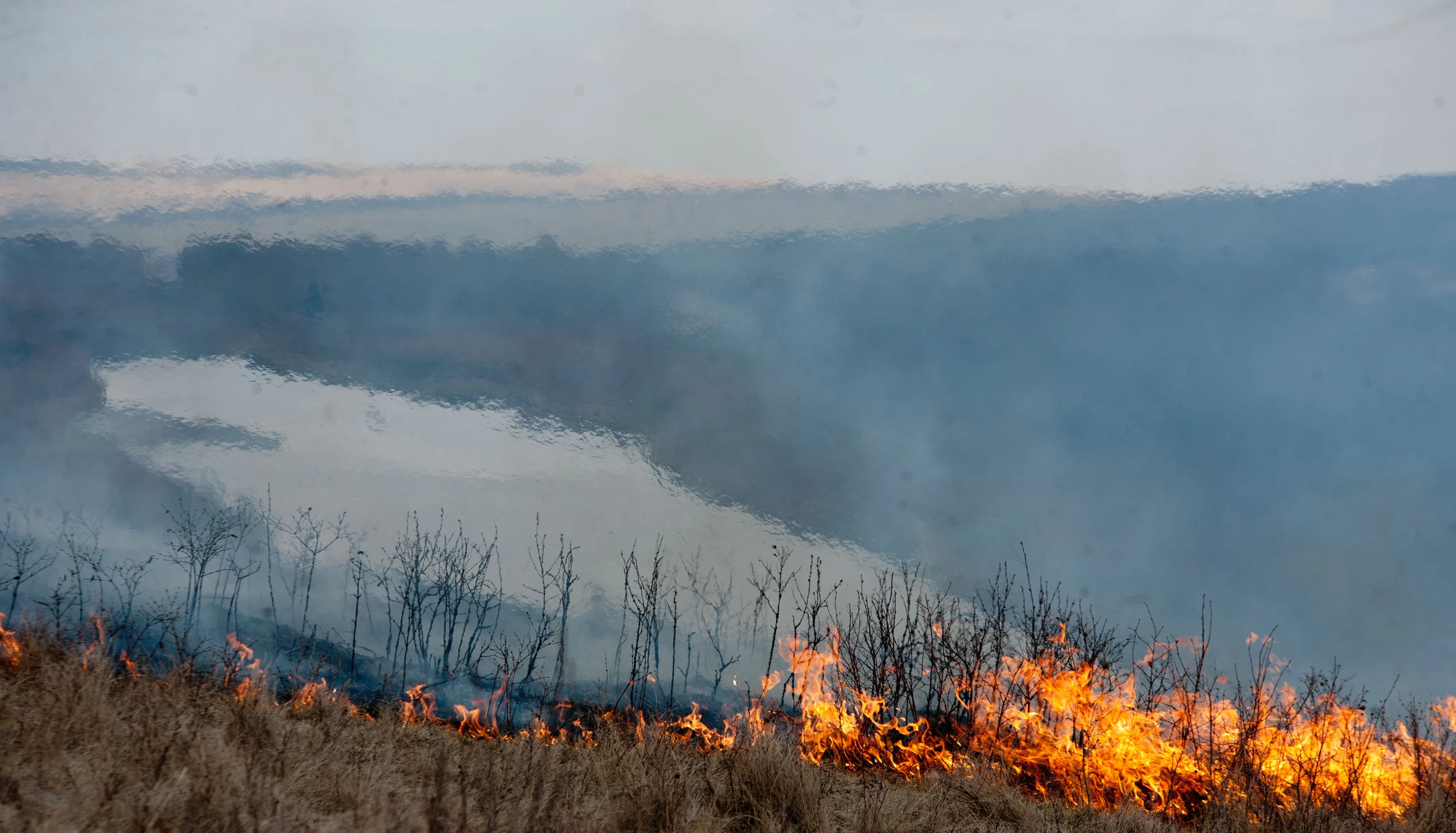
Heat shimmer obscured the Saskatchewan River near the Highway 17 crossing near Onion Lake.
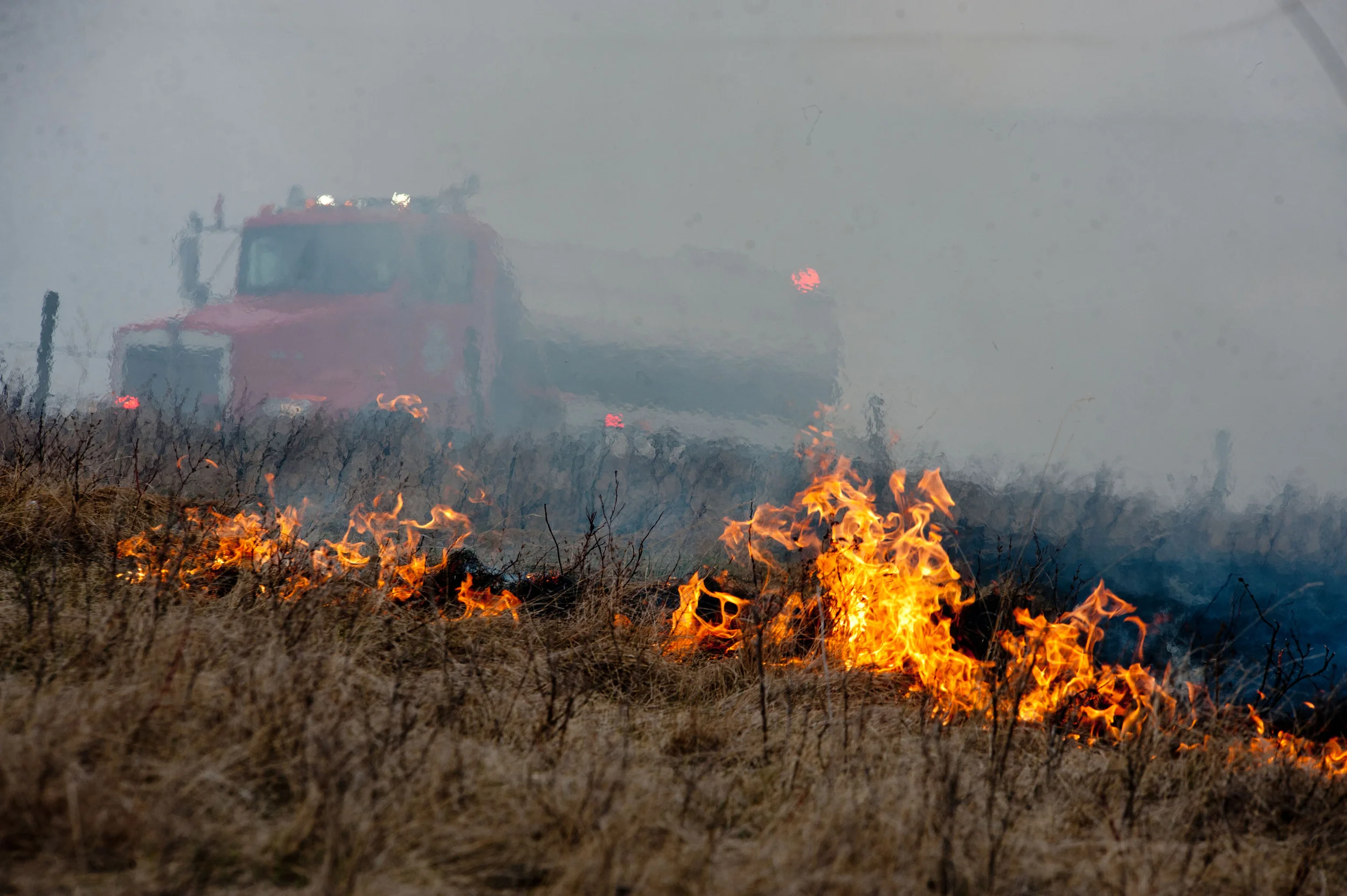
A Paradise Hill water cannon truck blasted at the flames, and managed to keep the blaze confined to the bush south of the road.
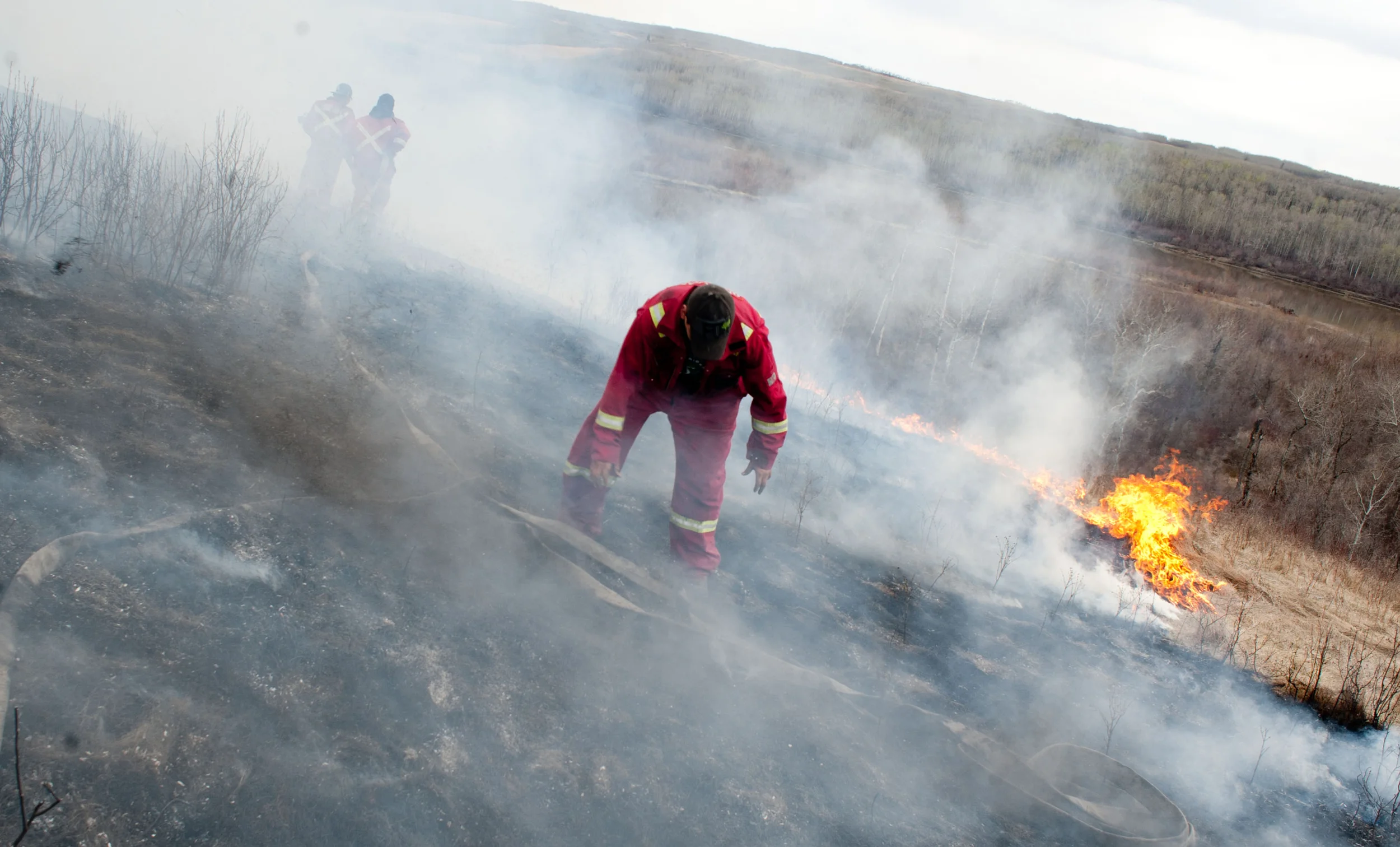
The Onion Lake Fire Department was out in full force, one of the three crews that responded to the call.
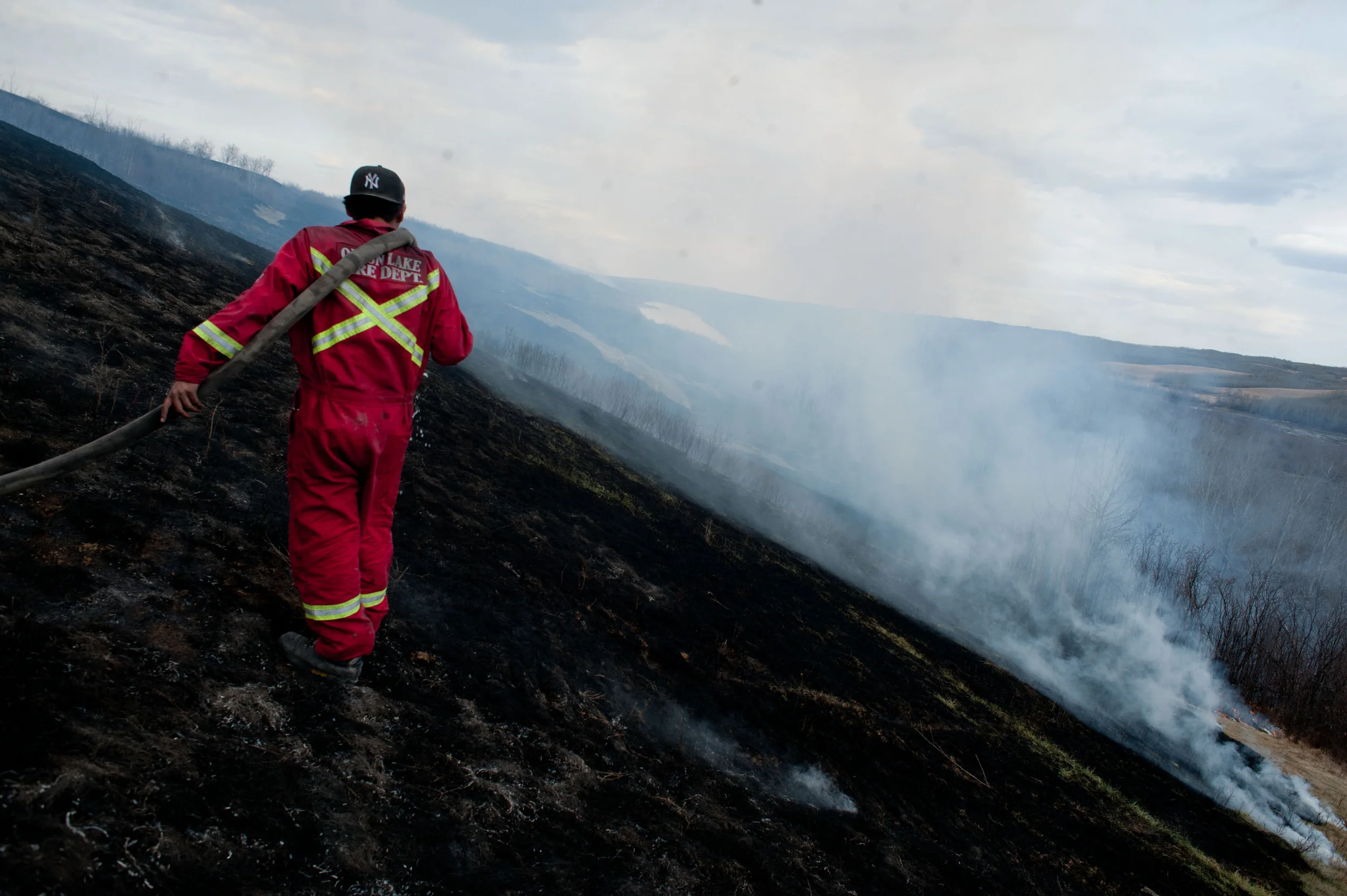
The steep sides of the riverbank hills presented a bit of an obstacle for the fire fighters, but eventually they managed to roll hoses down the hill with them to help combat the flames that were deeper into the bush.

Young volunteer fire fighter David Muskego got his visor covered in water as he directed the high-pressure hose at the fire, which had been advancing through the dense brush and fallen trees nearer to the river.
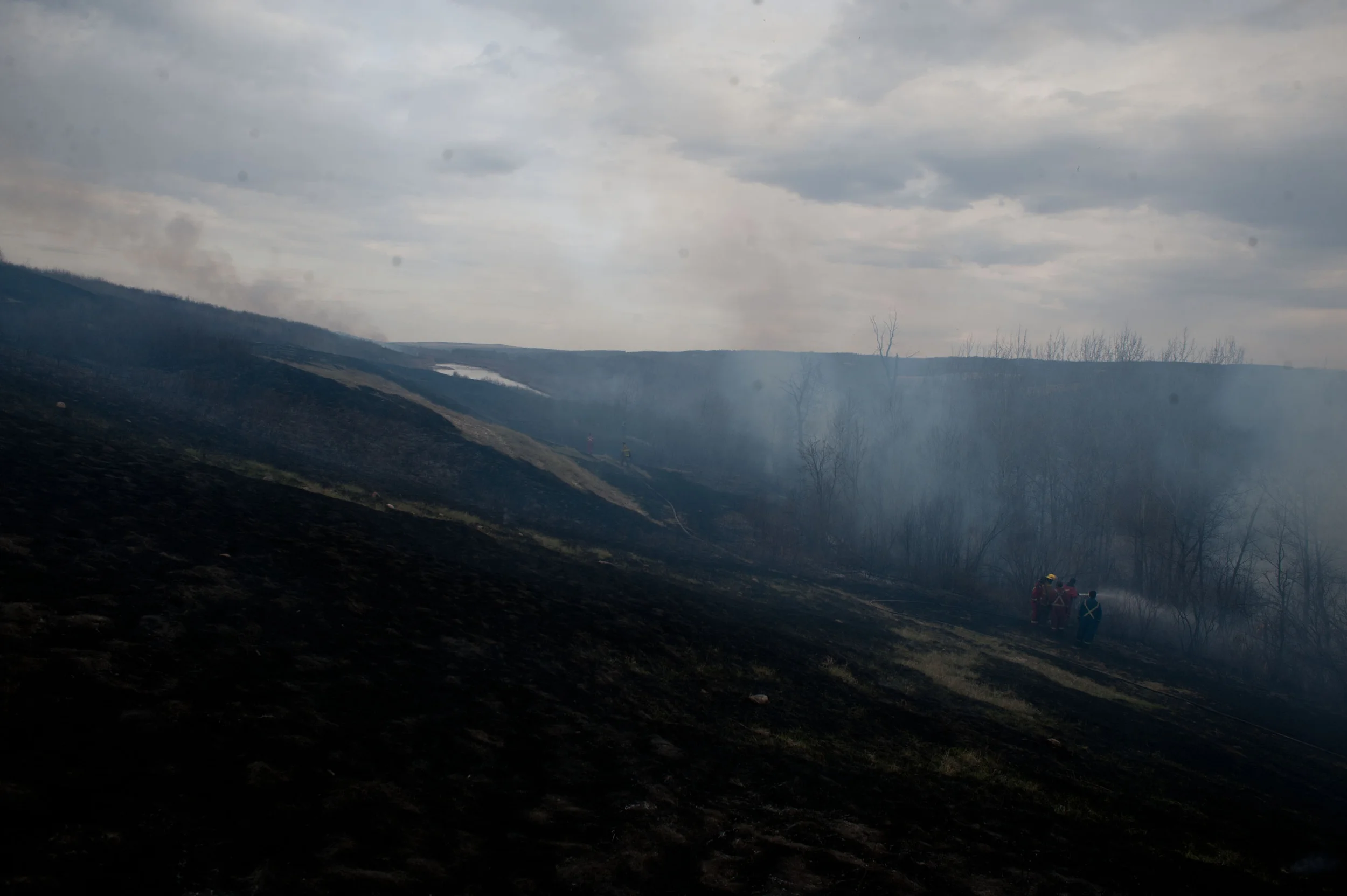
The smoking remains of the hillsides were scorched and blackened, with only small patches of untouched grass remaining.
The Bell Ringer
When you open the door to Bridge Street United Church on a Sunday morning, there are many things you could hear. Voices singing hymns, the organ reverberating throughout the building and the shuffling of papers and slight coughs during the weekly sermon from the pulpit. Very occasionally, however, you can hear bells.
Bridge Street has one very large bell inside its tower. To reach it, a series of rickety staircases must be climbed past piles of pigeon droppings and the occasional nail sticking out at a rather unsafe angle. Once the bell has been reached, not much can be done with it. It is automated, and will ring only when triggered by a small button in the church office.
However, there are other bells that ring in the air of the church sanctuary. Handbells, played by dedicated church musicians, lend their chimes to the torrent of sound that echoes around the church each year. But these bells can’t be automated. They need hands, and Judy McKnight has been playing the bells at Bridge Street since 1998.
“I was raised in the Salvation Army, so there was lots of music there” says McKnight, with her hands clasped in front of her in the basement library, near the church kitchen. We are seated at a small wooden table, and the sound next door of the rest of the congregation drinking tea and making conversation after the Sunday service is muted by the wooden walls and bookshelves that surround us. McKnight is a tall woman in her sixties, with blonde hair cut short, deep brown eyes, and glasses that are almost frameless. Her voice is soft, but strong, and a feeling of stability and calm radiates through the room as I conduct my interview.
McKnight is a native of the Quinte area, born in Belleville and raised in Trenton by parents heavily involved in the Salvation Army, and the music that is a cornerstone of the organization. “I sang in the Songsters and played in the timbrel brigade,” she says, recalling earlier days. Marches would be held, and tambourines would ring through the streets of Trenton. McKnight would sing in numerous choirs, and would continue during the summer by heading off to Roblin Lake in Prince Edward County. Her eyes lit up when she spoke about the camp and its place in her life. ““I went several summers to the Roblin Lake Salvation Army Camp, both as a student at music camp and then as a counselor”. The music camp was a focal point for her love of music and eventually led her into her work at Sir James Whitney School for the Deaf.
Sir James Whitney sits along Dundas Street West, one of the main roads for the Quinte region. For travelers going down its length, the school looks quite different from its surroundings, a grand building built of brick and glass, with a broad field and sturdy walls running along its perimeter. McKnight would see the school quite often. ““When I was a teenager, we were driving to Trenton from Belleville to church on Sunday mornings. I would see this long parade of deaf students going from school to the various churches in town. They would come and worship in a church here with someone interpreting for them, and then they would go back to the school”. This provoked a curiosity in McKnight, one which would only be increased when she worked as a counselor at Roblin Lake. One camper in particular would prove to be a catalyst. “One of my summers when I was a counselor at Roblin Lake camp, we had one of the deaf students as a camper. His name was Tony, and he was profoundly deaf, couldn’t speak a word. Couldn’t hear a thing, but he worked very hard to fit in with the other kids, and I just became very interested in deaf kids”.
The interest that started at Roblin Lake led McKnight to spend thirty-four years as a high-school level teacher at Sir James. She taught many students, and still runs into a few them after having been retired for ten years, though her signing is slightly rusty. “When I meet some of my former students on the street, I can carry on a conversation in sign language with them, but sometimes they have to correct me (Laughs) they think its fun that they can correct the teacher”.
Her life as a teacher had its ups and downs. “In my second to third last year there, I had a young lady who was very bright, but she was a very troubled student. She did everything she possibly could to disrupt things in the classroom, she was always looking for a fight, and I eventually had to ask to have her removed from the classroom.”
McKnight pauses here, her eyes looking past me to the bookshelves that line the room. “At one point, the other kids in the class came to me complaining about her. I had heard through the infirmary that she was being put on a different medication, a new mood-altering drug. I told the kids to cut her some slack, give her a chance, she’s on a new med and they’re trying to see how it works to stabilize her moods”. Looking back at me, she goes on. “It got back to her very quickly, and she came roaring down the hall at me and thought she was going to kill me, and another teacher intervened and stopped her.”
From that point onward, McKnight was more careful with the way she spoke to her students about classroom matters, and for the most part the end of her career went smoothly. Throughout her time as a teacher, she maintained her musical talents by singing in the church, and later on playing the bells. The church journey, however, also had its ups and downs.
Her first marriage had ended in divorce, which led her to leave the Salvation Army with her one-year old son in tow and spend three years in the Anglican Church. However, her church at the time did not allow for women to join the choir, so she started going to Holloway Street United, on the west bank of the Moira. She rose to both sing in the adult choir and conduct the youth choir at the church, but later on left after many young families in the Holloway congregation moved on to another church. She found herself at Bridge Street United, and has stayed there for the past thirty-four years, meeting her second husband and blending their families together. Though her husband has since passed away, she has her children and grandchildren to keep her occupied, and always she has music.
“Music is always the thing that probably touches me most”. McKnight is more relaxed now, hands folded in front of her on the table. Her eyes are lit up and the excitement shows in her voice. Works such as Handel’s Messiah and Haydn’s Creation were a great joy to take part in producing, and with every new work and every song that she sings, McKnight feels as though her spirit is fed. “It’s not just a musical discipline; it’s a spiritual food as well”.
As the interview concludes, the noise of the congregation gathered in the church basement begins to swell, and McKnight begins to gather her things and get ready to go socialize. Bidding me a good day, she turns and walks out the door to go drink tea and coffee with the other choir members. The sounds of Bridge Street, be it of bells, hymns, or the voices of the congregation gathered in fellowship, continue to echo throughout the building. Judy McKnight will add to that chorus, and she will enjoy every minute of it.